
America Turns 250. The Best Leadership Lessons Haven’t Changed
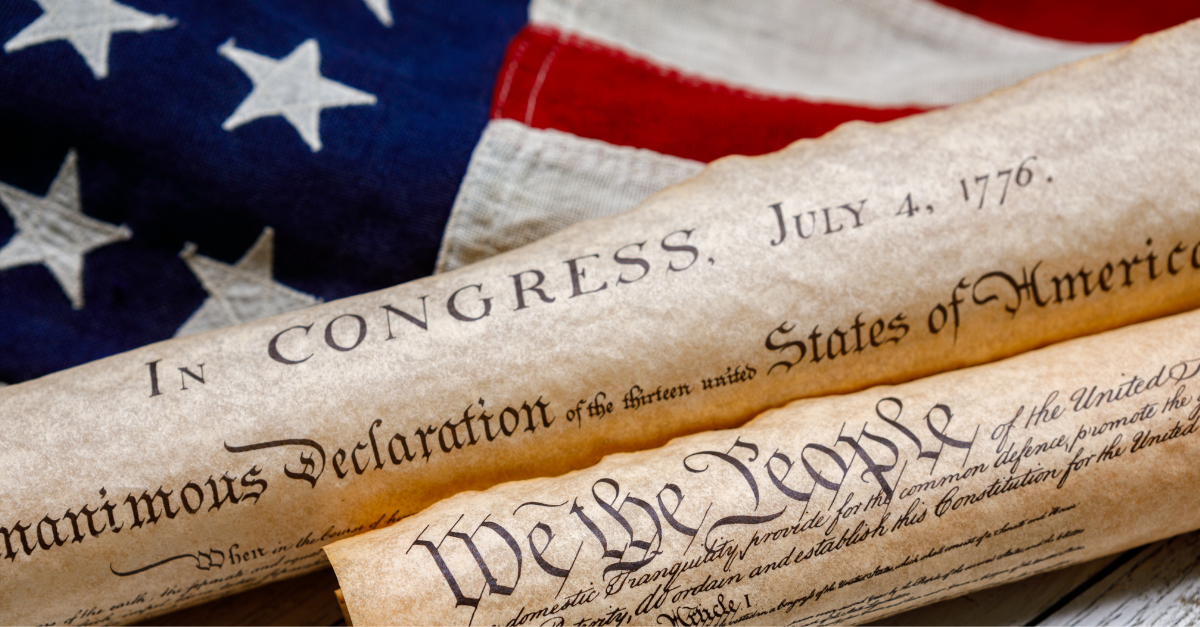
This Fourth of July feels a little different.
As our nation celebrates its 250th birthday, we’ll undoubtedly see fireworks, parades, and flags flying across the country. We’ll reflect on our history, celebrate our freedoms, and remember those who helped shape the nation we know today.
As I thought about this milestone, I found myself thinking less about the events of 1776 and more about the people behind them.
The men and women who shaped America’s founding weren’t simply historical figures. They were leaders who navigated uncertainty, challenged convention, built relationships, communicated ideas, and inspired others to action when the future was anything but certain.
Sound familiar?
Our workplaces look very different today, but after more than 25 years of working with leaders across industries, while the challenges are different, when I reflect on the leadership qualities that helped build a nation, many are the same qualities that help leaders build high performing teams today.
Here are a few leadership lessons that still resonate 250 years later.
George Washington: Leadership Begins with Trust
George Washington understood that leadership wasn’t about holding power. It was about earning trust. His decision to step away from the presidency after two terms demonstrated that influence comes from character, not position.
That lesson hasn’t changed.
Every day, leaders build trust by following through, admitting mistakes, communicating honestly, and treating people consistently. Trust is what makes people want to work with you.
Deborah Sampson: Courage Looks Like Taking the First Step
Deborah Sampson demonstrated extraordinary courage by serving in the Continental Army despite enormous personal risk. She refused to let barriers define what she was capable of contributing.
Leadership often asks us for that same courage. Speaking up. Taking initiative. Volunteering for the difficult assignment. Having the conversation you’ve been avoiding. Growth begins when we’re willing to take that first step.
Benjamin Franklin: Stay Curious
Benjamin Franklin never stopped learning. Whether as an inventor, diplomat, writer, or statesman, curiosity shaped the way he led.
The strongest leaders I work with share that same mindset. They ask thoughtful questions, seek feedback, and stay open to new ideas. Leadership isn’t about knowing everything. It’s about never stopping your own development.
Abigail Adams: Listen to Different Voices
Abigail Adams influenced some of the nation’s most important decisions by offering thoughtful counsel and encouraging leaders to consider voices that too often went unheard.
The best leaders do the same today. They intentionally seek different perspectives, ask good questions, and create environments where people feel comfortable contributing ideas. Better listening almost always leads to better decisions.
Thomas Jefferson: Create a Vision Worth Following
Thomas Jefferson understood the power of a compelling vision. People commit more deeply when they understand where they’re going and why it matters.
Today’s leaders face the same challenge. When we only communicate the what and the how, people comply. When we explain the why, people connect, contribute, and take ownership.
Mercy Otis Warren: Influence Without the Title
Mercy Otis Warren never held elected office, yet her writing and ideas helped shape public opinion during the Revolution.
It’s a reminder that leadership isn’t defined by a title. Every day I see people influence culture through their words, encouragement, integrity, and example long before they ever receive a promotion.
John Adams: Have the Courage to Speak Up
John Adams didn’t shy away from difficult conversations or unpopular positions when he believed they were necessary.
Leadership still requires that same kind of courage.
Whether it’s giving honest feedback, addressing a performance issue, or speaking up when something isn’t right, respectful and direct conversations build stronger relationships than avoiding them ever will.
The tools have changed.
We lead through Zoom meetings instead of handwritten letters.
We manage global teams instead of thirteen colonies.
Artificial intelligence helps us solve problems faster than ever before.
But people haven’t changed nearly as much.
They still want leaders they can trust.
They still want a clear vision.
They still want to be heard, respected, challenged, and inspired.
As America celebrates 250 years, it’s a reminder that while history moves forward, great leadership remains remarkably timeless.
The circumstances may be different.
The leadership lessons aren’t.

Leave a Reply