
Gratitude at Work: The Power of Appreciation in Action
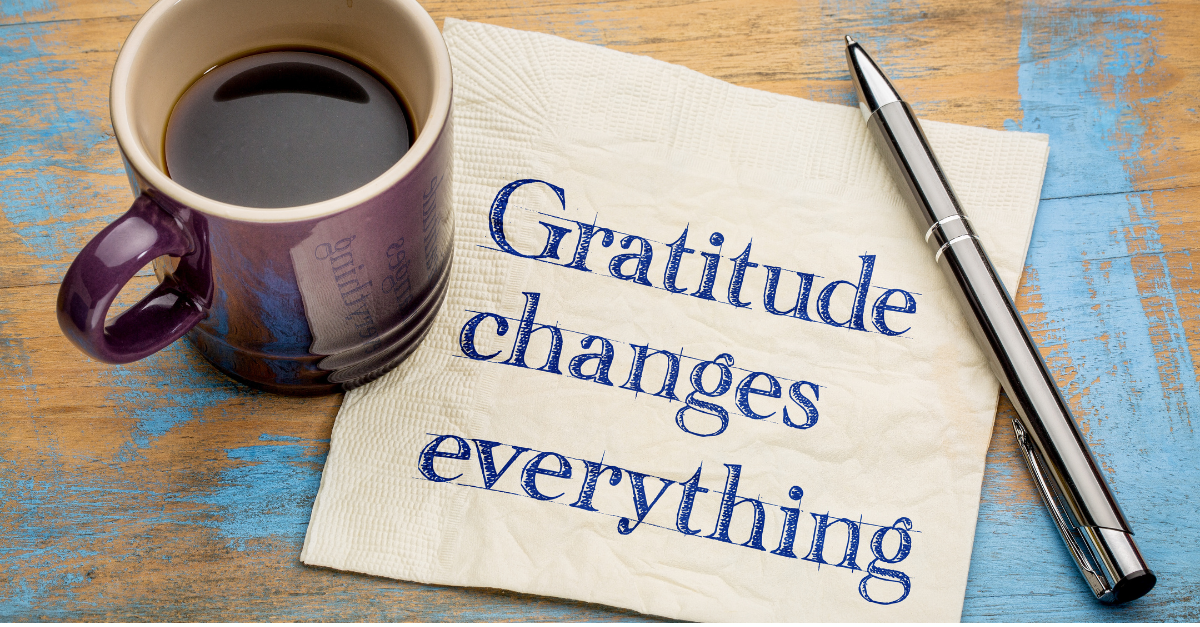 When we take a moment to notice and appreciate the people we work with, something powerful happens, energy shifts, connections deepen, and motivation grows. Gratitude has that kind of ripple effect. It reminds us that behind every result is effort, collaboration, and care. Whether it’s a colleague who steps in to help, a team that rallies to meet a deadline, or a leader who takes time to listen, gratitude is what turns everyday work into something meaningful.
In the workplace, gratitude does more than make people feel good, it strengthens relationships, improves well-being, and fuels performance. When leaders make appreciation a habit, they create an environment where people feel seen and valued. That sense of belonging drives engagement, innovation, and trust, the very foundation of strong teams and healthy cultures.
Why Gratitude Matters at Work
Gratitude is a proven driver of well-being and effectiveness.
According to Harvard Health Publishing, gratitude is consistently associated with greater happiness. People who regularly practice gratitude feel more positive emotions, improve their health, and build stronger relationships.
And it’s not just about personal well-being. The Greater Good Science Center at UC Berkeley reports that when gratitude is part of the workplace culture, employees experience stronger connections, higher satisfaction, and greater resilience. Expressing appreciation doesn’t just make people feel valued, it strengthens team bonds and creates a more positive working environment.
The Benefits Go Both Ways
One of the most powerful things about gratitude is that it benefits both the giver and the receiver.
For the receiver, gratitude is validation. It says, “I see you. What you do matters.” It boosts morale, engagement, and confidence, all essential for a healthy, high-performing workplace.
For the giver, gratitude shifts focus from what’s missing to what’s working. It strengthens relationships, lowers stress, and enhances emotional resilience.
Leaders who express appreciation regularly often report feeling more connected to their teams and more grounded in purpose; building the kind of workplace everyone wants to be part of.
What Makes Gratitude Effective
Gratitude is most powerful when it’s authentic, specific, and timely.
Authentic: People can feel the difference between a routine “good job” and genuine appreciation. Be real and personal.
Specific: General praise fades quickly. When you call out what you’re grateful for, it reinforces the behavior, deepens connection and encourages repeat behavior.
Timely: Gratitude has the greatest impact when it’s shared close to the moment. Don’t wait for the next team meeting, review cycle or one-on-one. A quick message or comment can make someone’s day.
Gratitude doesn’t need to be formal. It can show up in small, consistent gestures:
- A handwritten thank-you note.
- A public shoutout in a meeting.
- A quick Slack or email recognizing effort.
- Acknowledging someone during a one-on-one.
Making Gratitude Part of Leadership
For leaders, gratitude is a tool that strengthens culture and clarity. It reinforces values, encourages collaboration, and helps people feel part of something meaningful.
Try this small shift: at the end of each week, reflect on three things you’re grateful for at work; a team win, someone’s effort, or a learning moment. Then share one of them with your team.
Over time, those small acknowledgments add up to something bigger, a culture where people feel seen, supported, and motivated to do their best work.

Leave a Reply